
Facebook break and cortisol: what the study actually found
In a 2018 experiment with 138 active Facebook users, the group assigned to five days without Facebook had lower salivary cortisol than the normal-use group. But it also had lower life satisfaction. That makes the finding more interesting and less convenient than a simple “digital detox works” headline.
The study
Vanman, Baker and Tobin assigned 138 active Facebook users either to stop using Facebook for five days or to continue as usual. They measured perceived stress, wellbeing and salivary cortisol before and after the period. Relative to normal use, the no-Facebook condition showed lower cortisol and lower life satisfaction.
One change can carry a benefit and a cost
The cortisol finding is compatible with less physiological stress, while the fall in life satisfaction fits the cost of temporarily losing a social connection channel. The study therefore does not say the body “improves first” and feelings simply catch up later. Both outcomes belong in the headline.
The limits, honestly named
The intervention was short and limited to Facebook. It did not remove all social media, all screen time or the smartphone itself. Cortisol also varies for many reasons. Because participants were assigned to conditions, the design is stronger than a simple correlation, but it still cannot tell us what a longer or different break would do for everyone.
What you can do with this
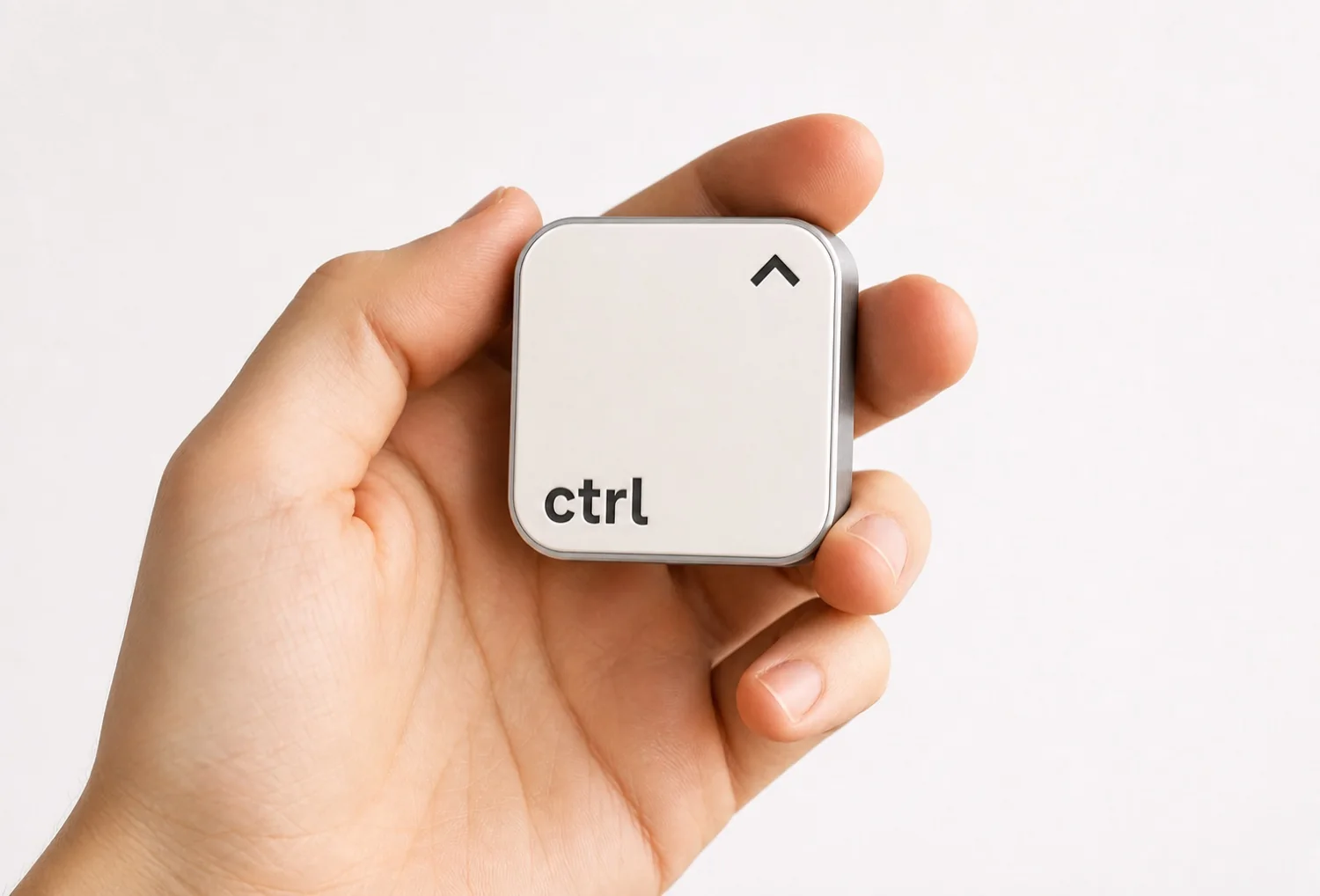
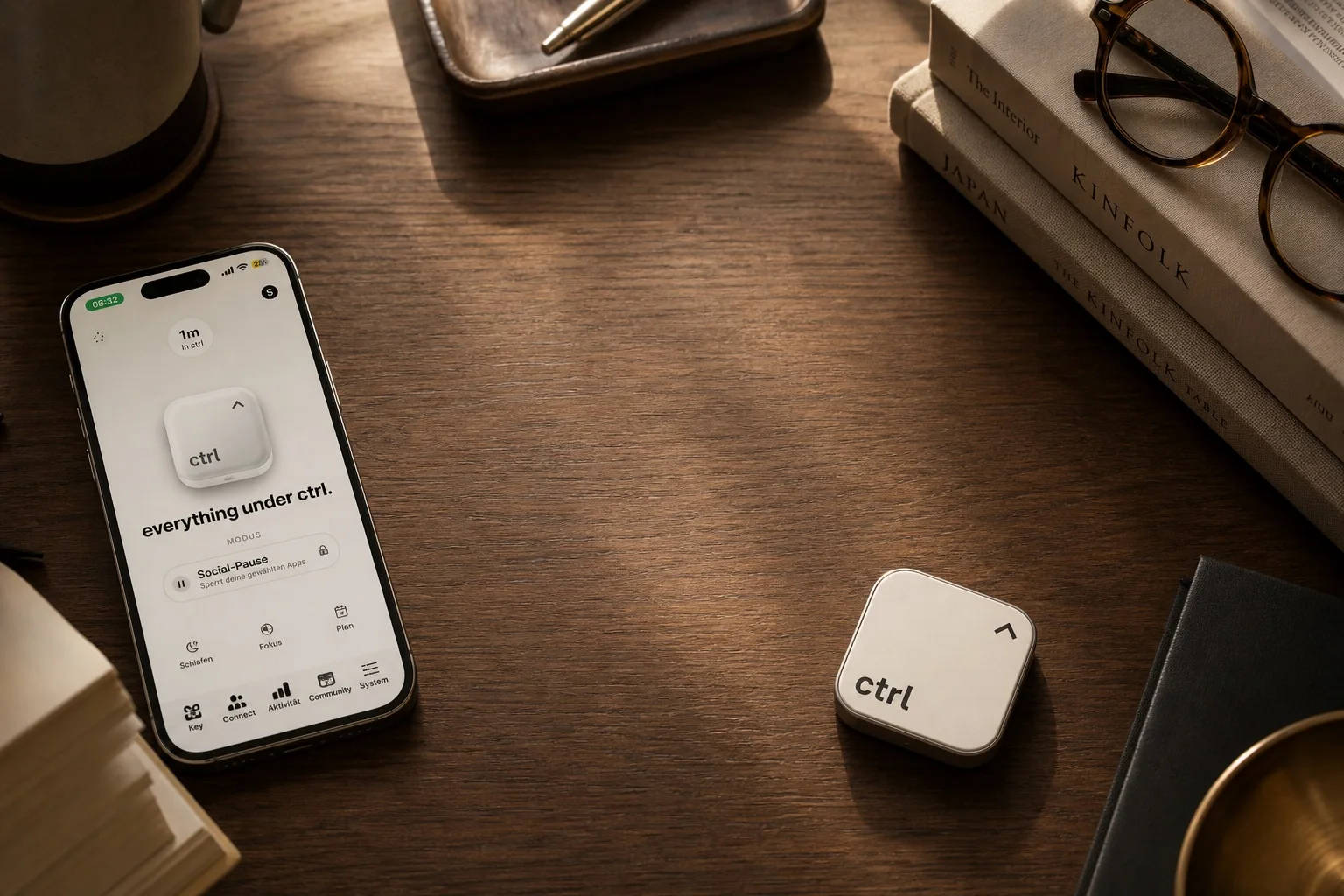
You do not need to copy the experiment. A more realistic first step can be a protected window for the apps that repeatedly pull you back, while keeping communication that matters available. That is the product idea behind the ctrl key, not an effect demonstrated by the Facebook study. All sources are in the research library.
Sources
- Vanman, Baker and Tobin, The burden of online friends, 2018, n = 138. doi.org