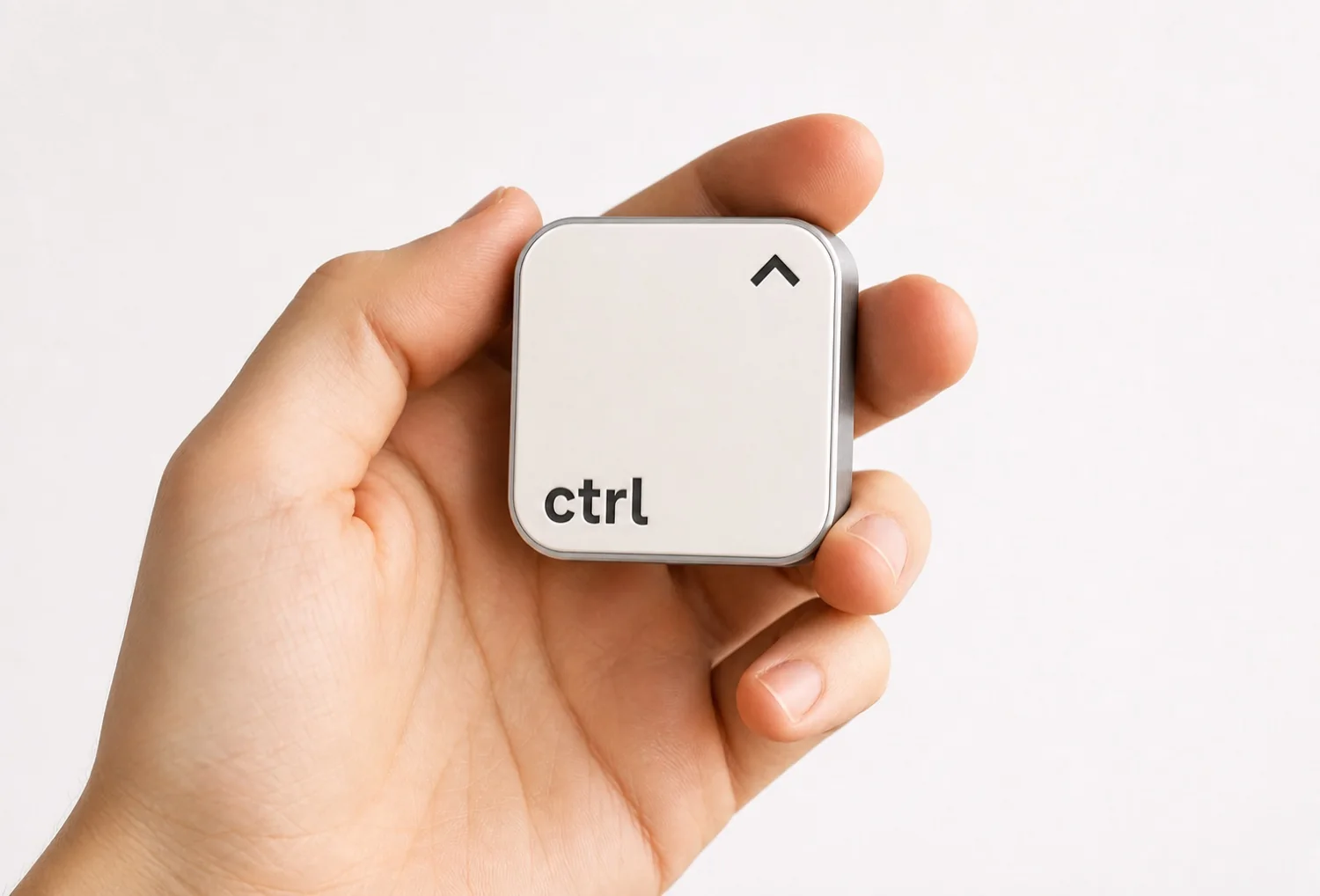
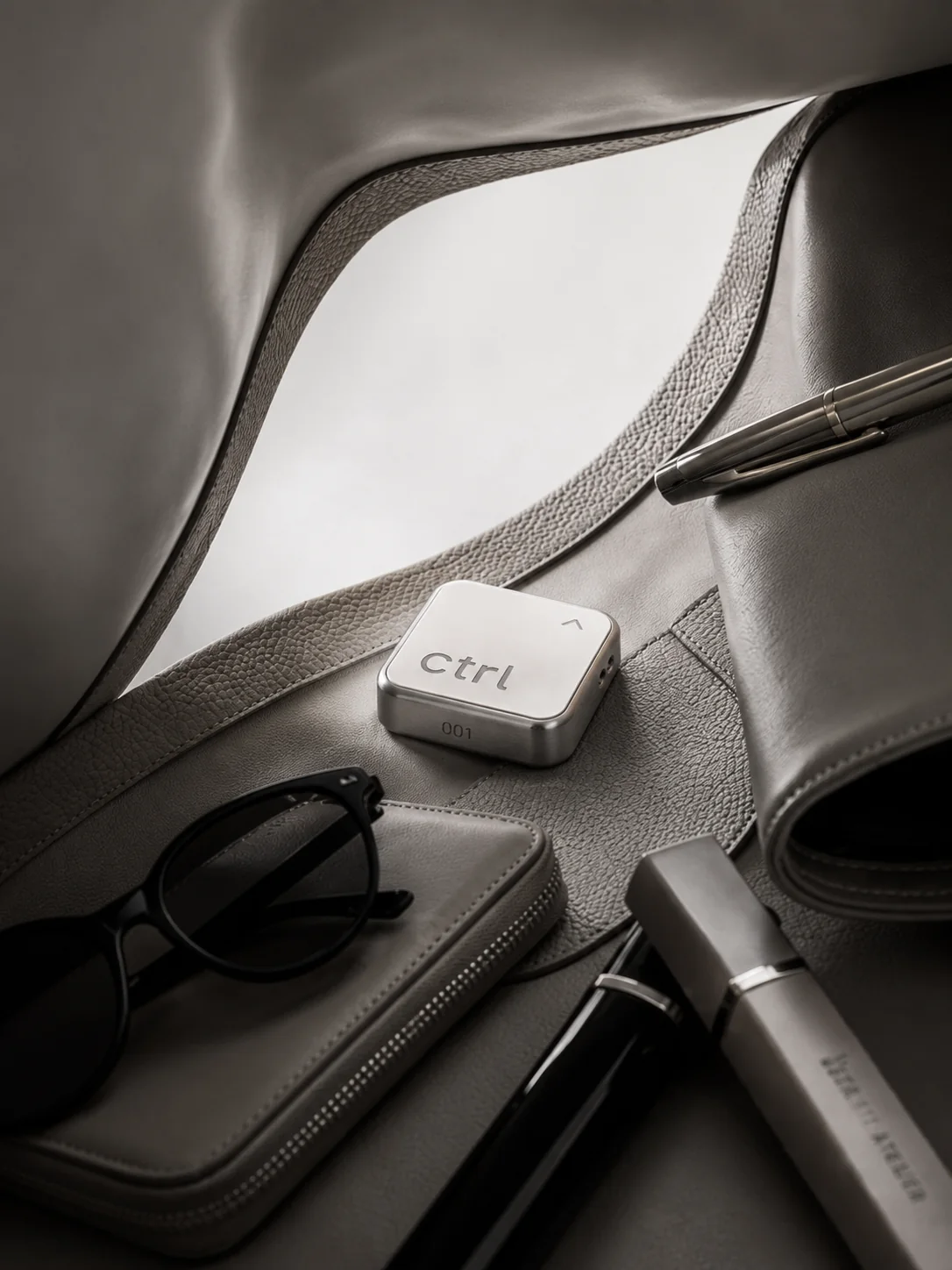
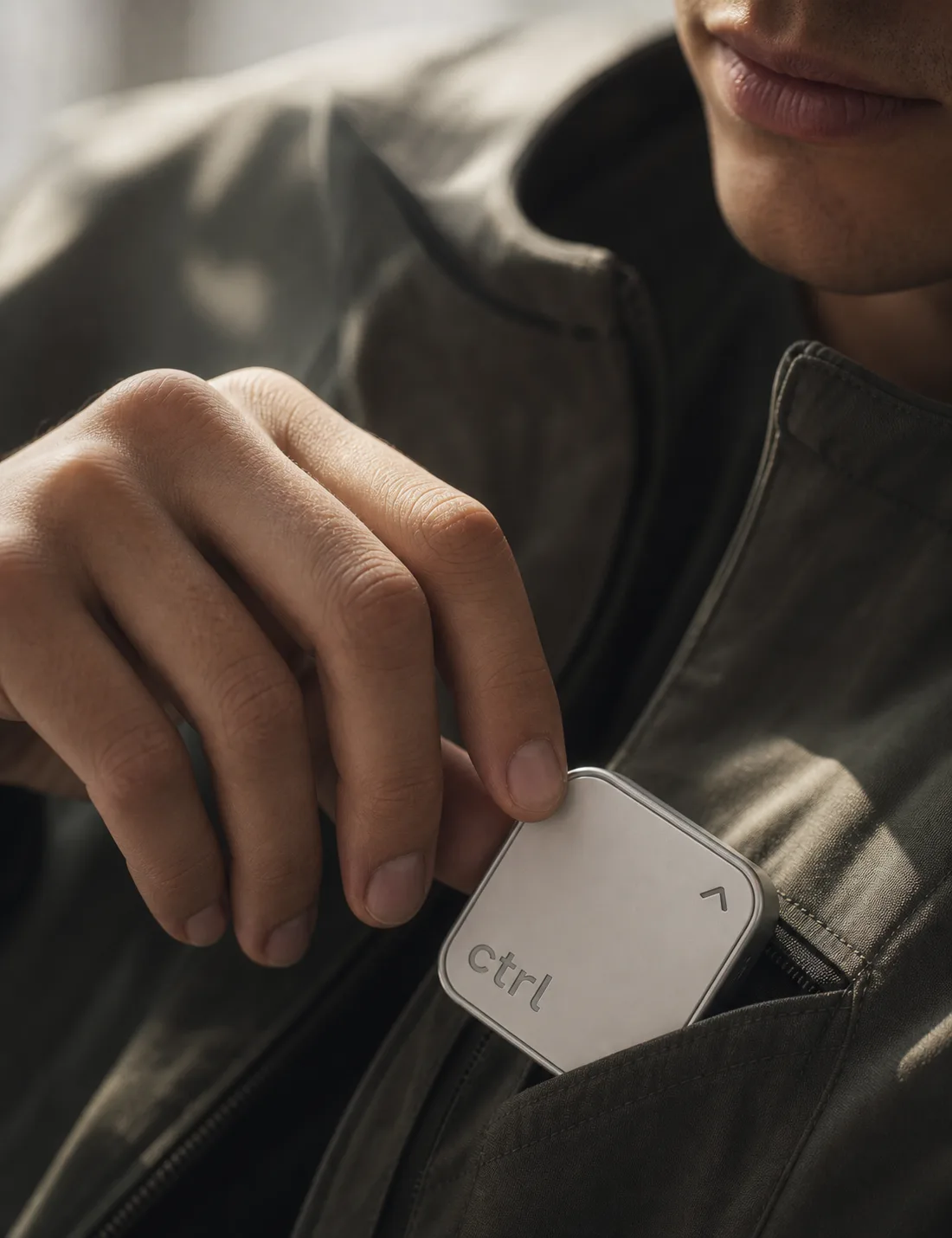
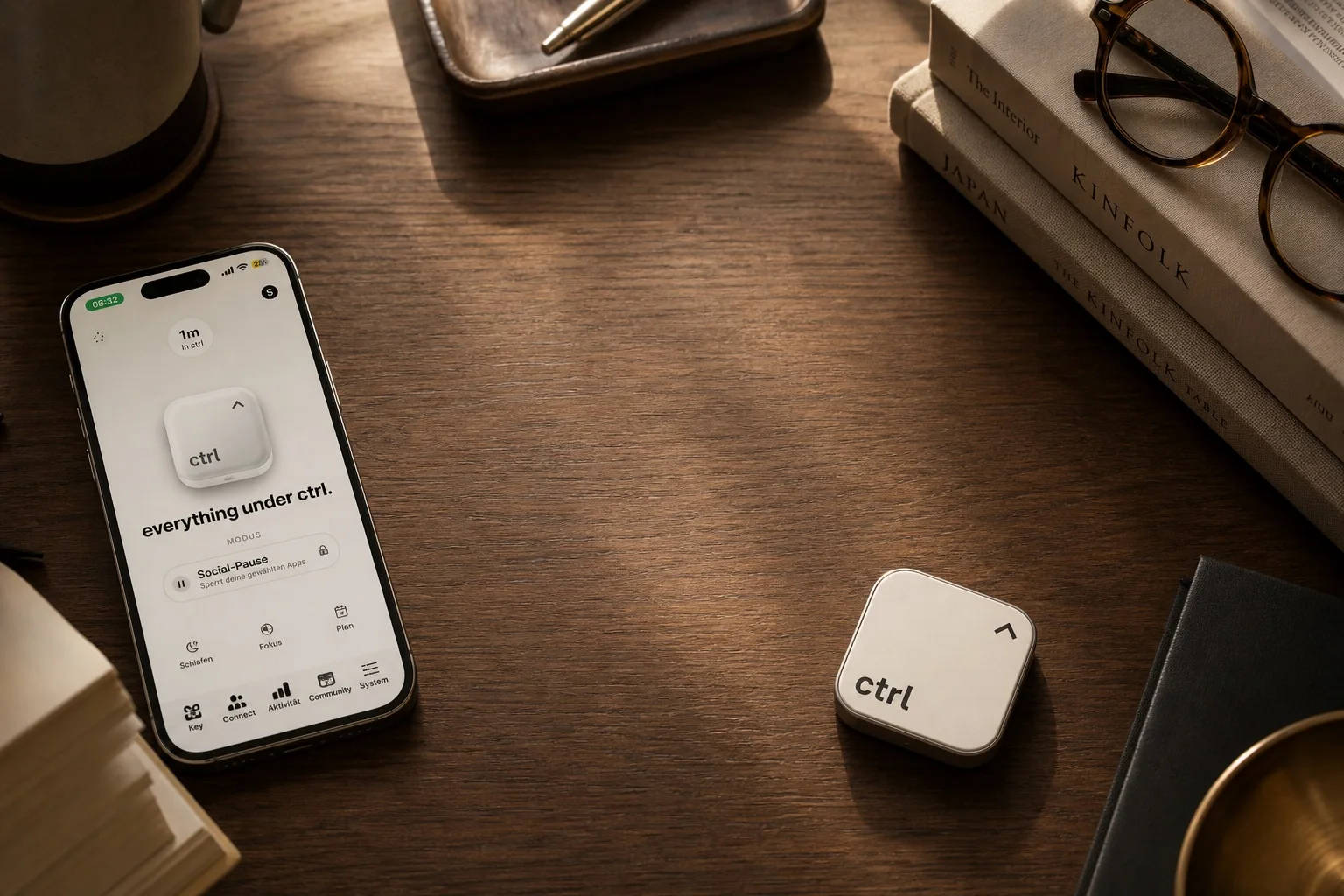
Ein Tap auf den Key und die lauten Apps werden still. Kein Kampf mit der Willenskraft, kein Verhandeln mit dir selbst alle zehn Minuten. Du entscheidest einmal. Der Morgen gehört dir.
Modes
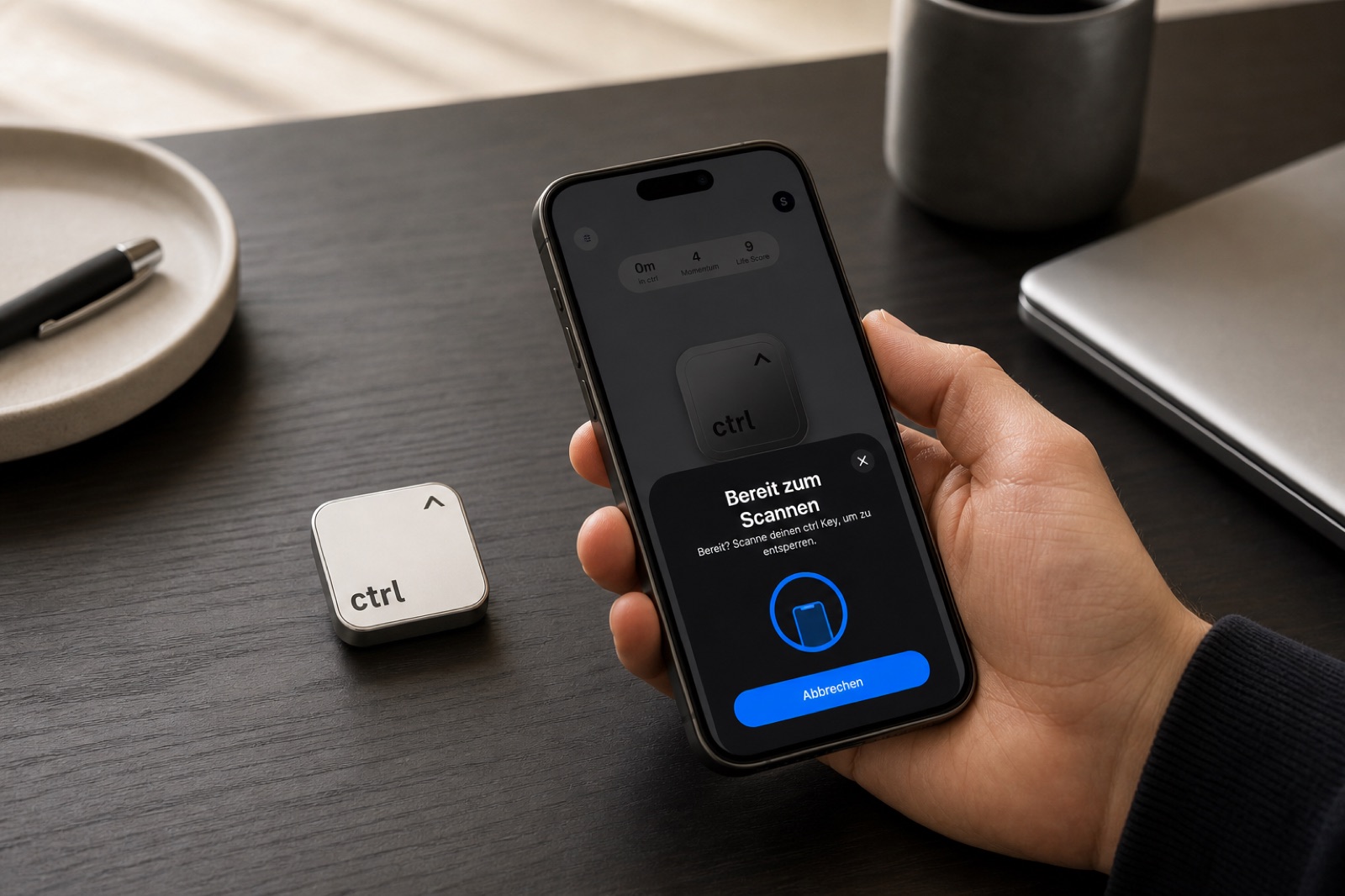
Ein Focus Mode ist dein eigenes Profil. Du wählst, welche Apps sich sperren und welche offen bleiben. Mail darf bleiben, die Feeds werden still, deine Musik läuft weiter. Bau ihn einmal in der App, dann vergiss die Einstellungen für immer. Von diesem Tag an ist der Key der einzige Schalter.
Jeder Guard ist optional. Du wählst, wie streng dein ctrl ist.
Lock Settings
Jede Regel, die du in drei Taps zurücknehmen kannst, ist nur ein Vorschlag. Lock Settings schließt die Seitentüren: eine Einstellungssperre damit deine Regeln nicht leise geändert werden, eine Wartehürde die echte Minuten zwischen Impuls und Ausnahme legt, und strikte Shields die eine gesperrte App gesperrt halten. Bei Tageslicht entschieden, durch die Nacht gehalten.
Der Key im Raum
Willenskraft ist ein Kampf, den du alle paar Minuten gewinnen musst. Abstand gewinnt ihn einmal. Der Key liegt auf dem Schreibtisch, gut sichtbar. Entsperren heißt aufstehen, hinübergehen und dein Handy an ein Stück Aluminium halten. Meistens ist dieser kurze Weg schon die ganze Antwort. Das Handy bleibt ein Werkzeug. Der Raum bleibt ruhig.
Das ist der ganze Trick: kein stärkeres Du, ein ruhigerer Raum.
Was die Forschung sagt
der Teilnehmenden verbesserten sich in mindestens einem von drei gemessenen Bereichen nach zwei Wochen ohne mobiles Internet auf ihrem Smartphone: subjektives Wohlbefinden, mentale Gesundheit oder objektiv gemessene Daueraufmerksamkeit.
Randomisierte Zwei-Wochen-Studie · Castelo et al., PNAS Nexus 2025
vollzogene Öffnungen ausgewählter Ziel-Apps nach sechs Wochen mit one sec, gemessen in einer nicht randomisierten Feldstudie mit 280 durchgehend aktiven Nutzenden. Ein bewusster Zwischenschritt kann helfen. Untersucht wurde one sec, nicht ctrl.
Deine Aufmerksamkeit ist nicht kaputt. Deine Umgebung ist lauter geworden.
Eine große Meta-Analyse fand keinen Rückgang der Aufmerksamkeitsleistung selbst.3 Die Ablenkung hängt zusammen mit dem, was dich umgibt, nicht mit dem, was mit dir nicht stimmt. ctrl dreht einfach die Umgebung wieder leiser.
1 Castelo et al., PNAS Nexus, 2025. Randomisierte kontrollierte Studie: Teilnehmende blockierten zwei Wochen lang das mobile Internet auf ihren Smartphones. 90,7 Prozent verbesserten sich in mindestens einem der drei gemessenen Bereiche: subjektives Wohlbefinden, mentale Gesundheit oder objektiv gemessene anhaltende Aufmerksamkeit. Quelle↗
2 Grüning, Riedel und Lorenz-Spreen, PNAS, 2023. Nicht randomisierte Feldstudie mit einer selbstselektierten Kohorte: Bei 280 durchgehend aktiven Nutzenden lagen die vollzogenen Öffnungen ausgewählter Ziel-Apps nach sechs Wochen 57 Prozent unter der ersten Woche. Quelle↗
3 Andrzejewski et al., 2024. Meta-Analyse von Aufmerksamkeitstest-Leistungen über die Zeit, ohne Hinweis auf einen allgemeinen Rückgang. Alle Ergebnisse beschreiben Studiengruppen und sind ein Zusammenhang, kein Versprechen für ein individuelles Ergebnis. Quelle↗
Sichere Zahlung · 30 Tage Geld zurück