 Ruhe
Ruhe
WochenrückblickSonntag · Life Score
Stetig
Dein Life Score endete die Woche bei 72. Am meisten stieg er an den ruhigen Abenden.
Warum ctrl
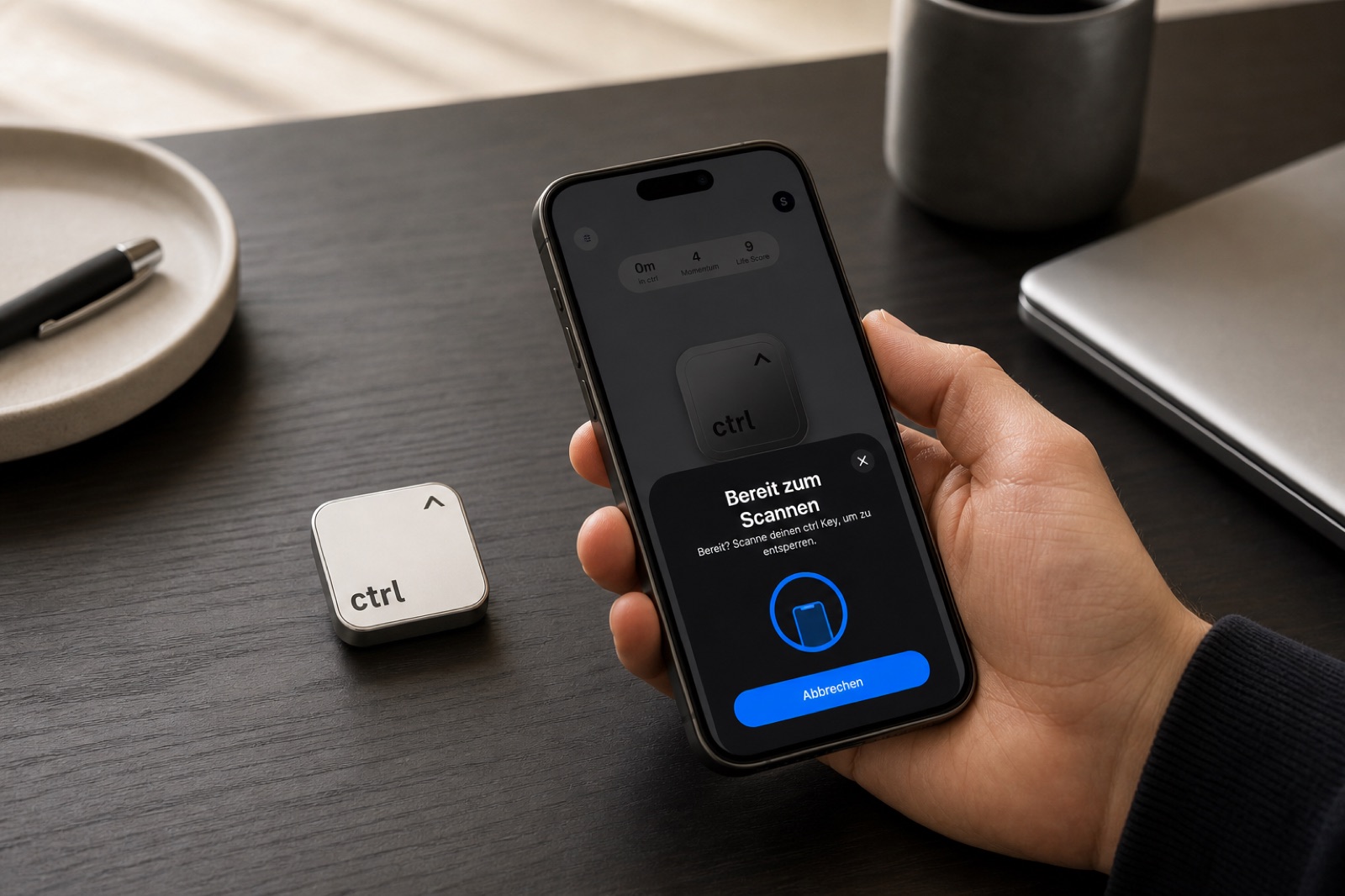
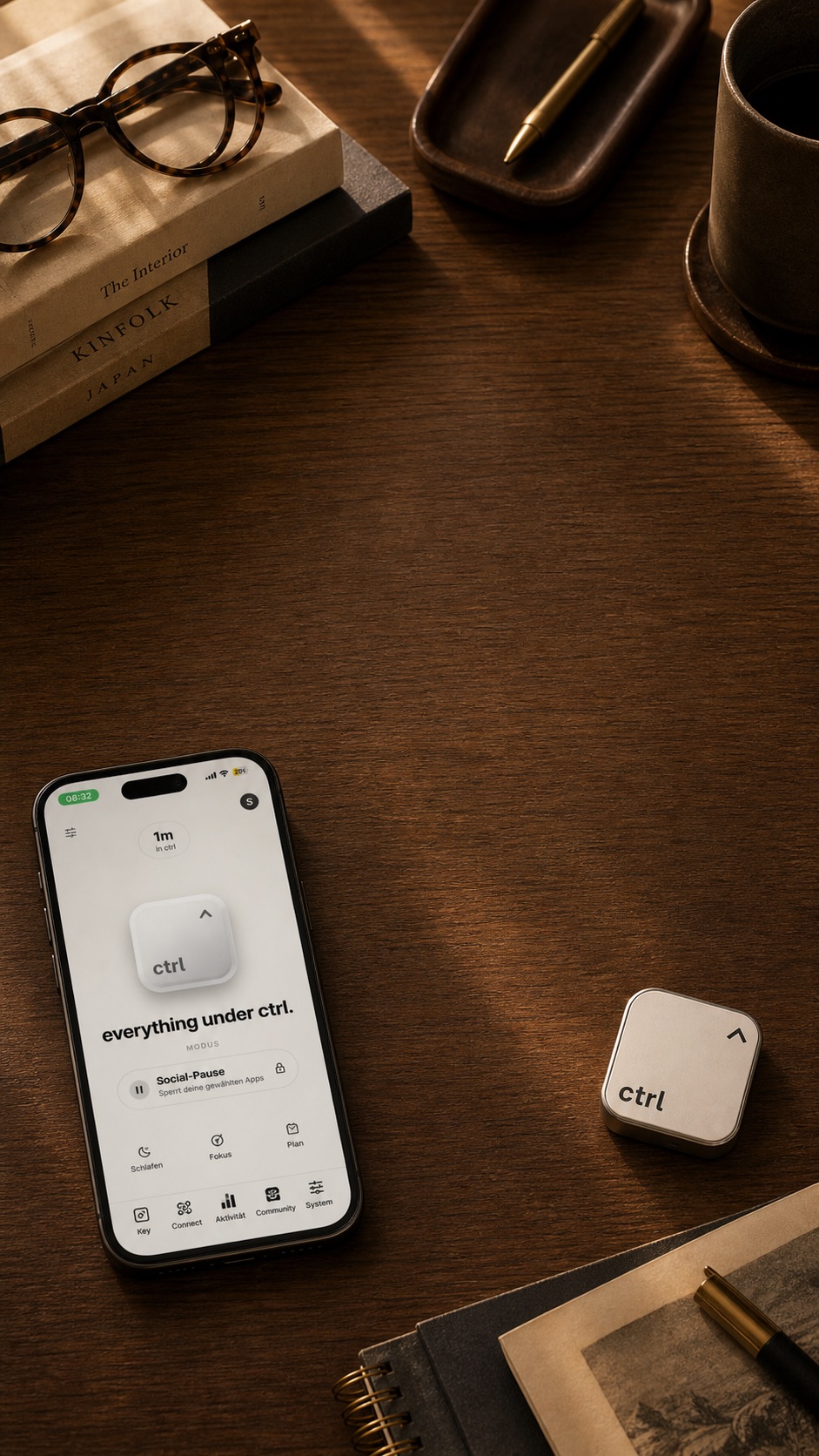
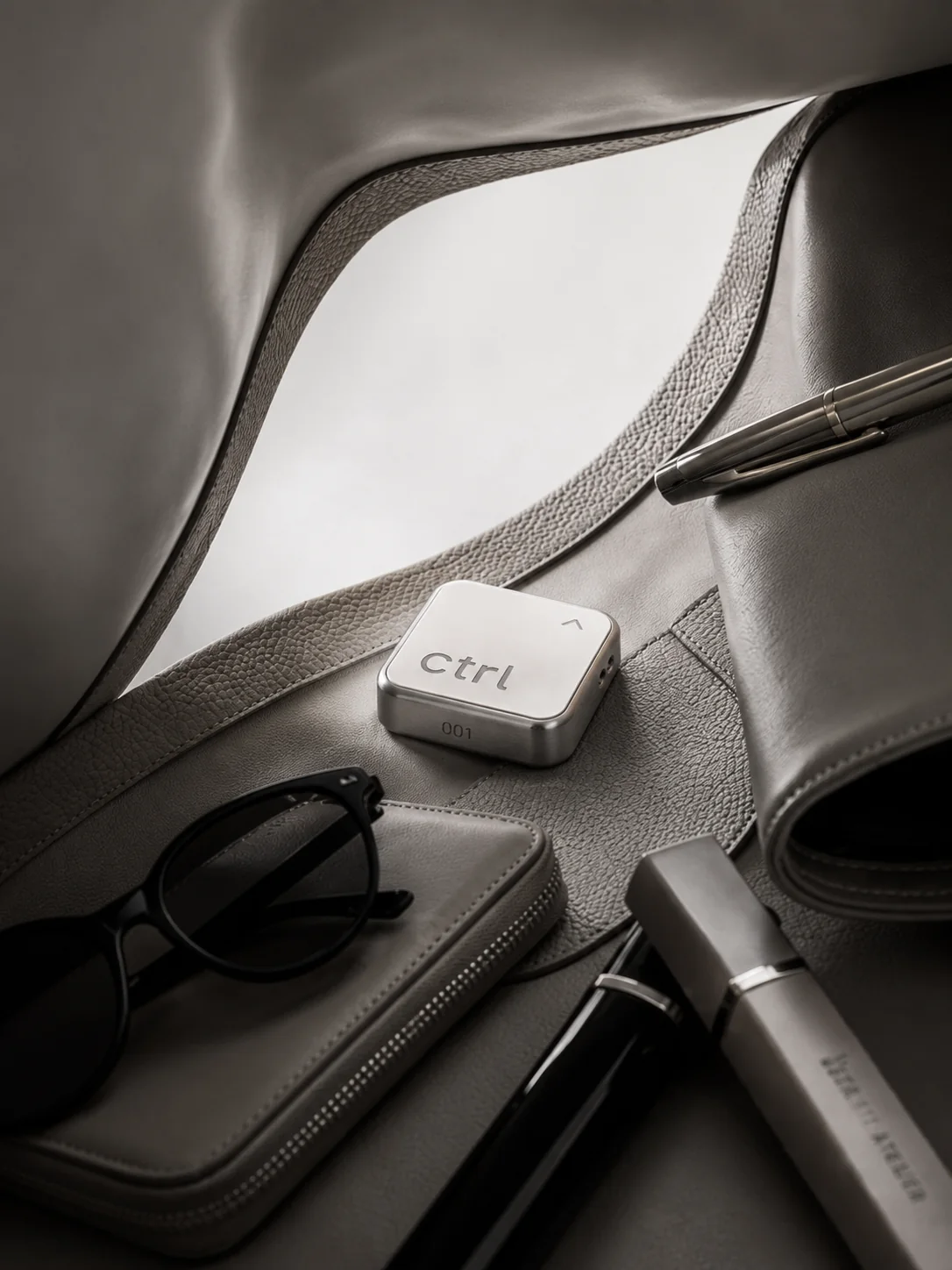
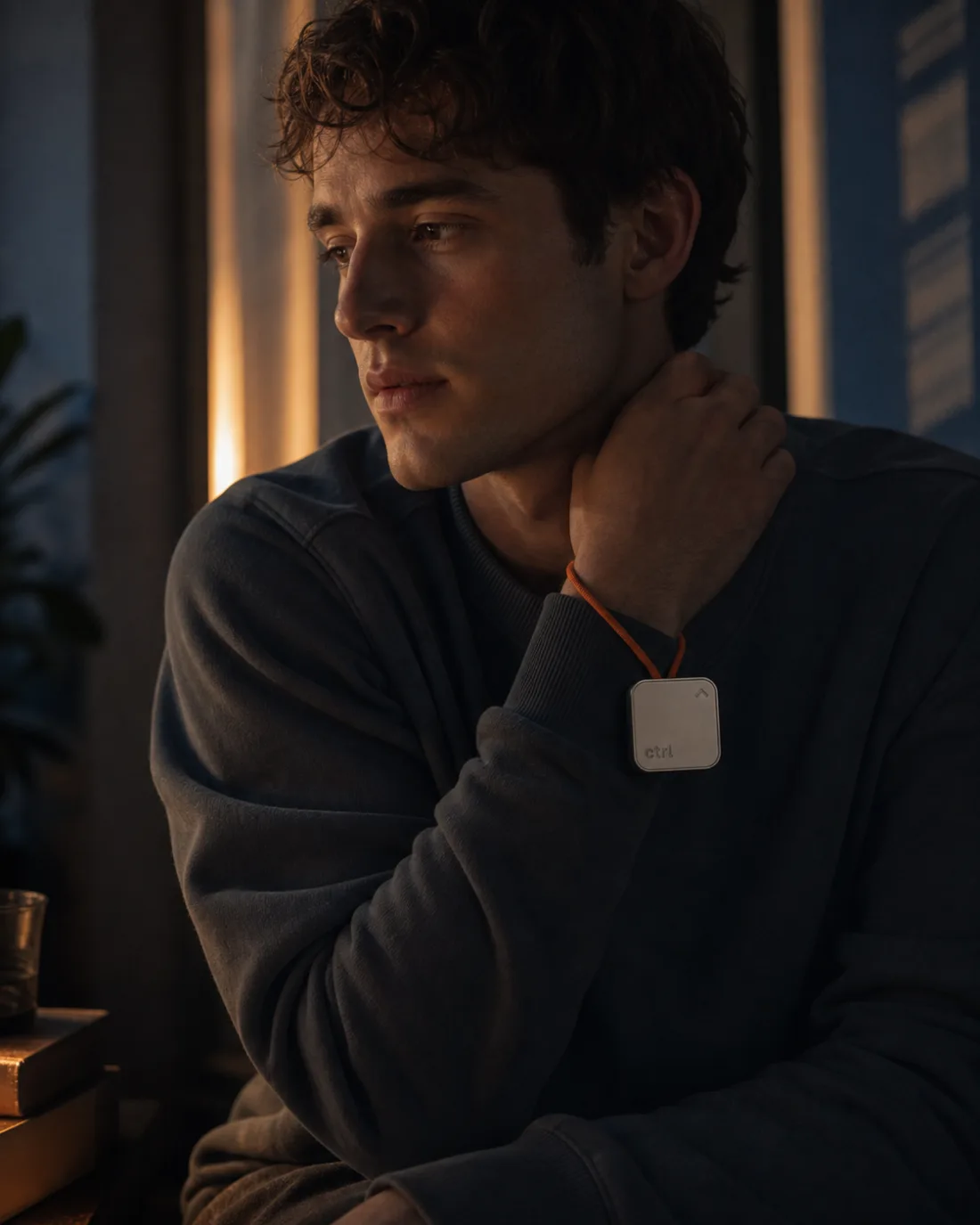
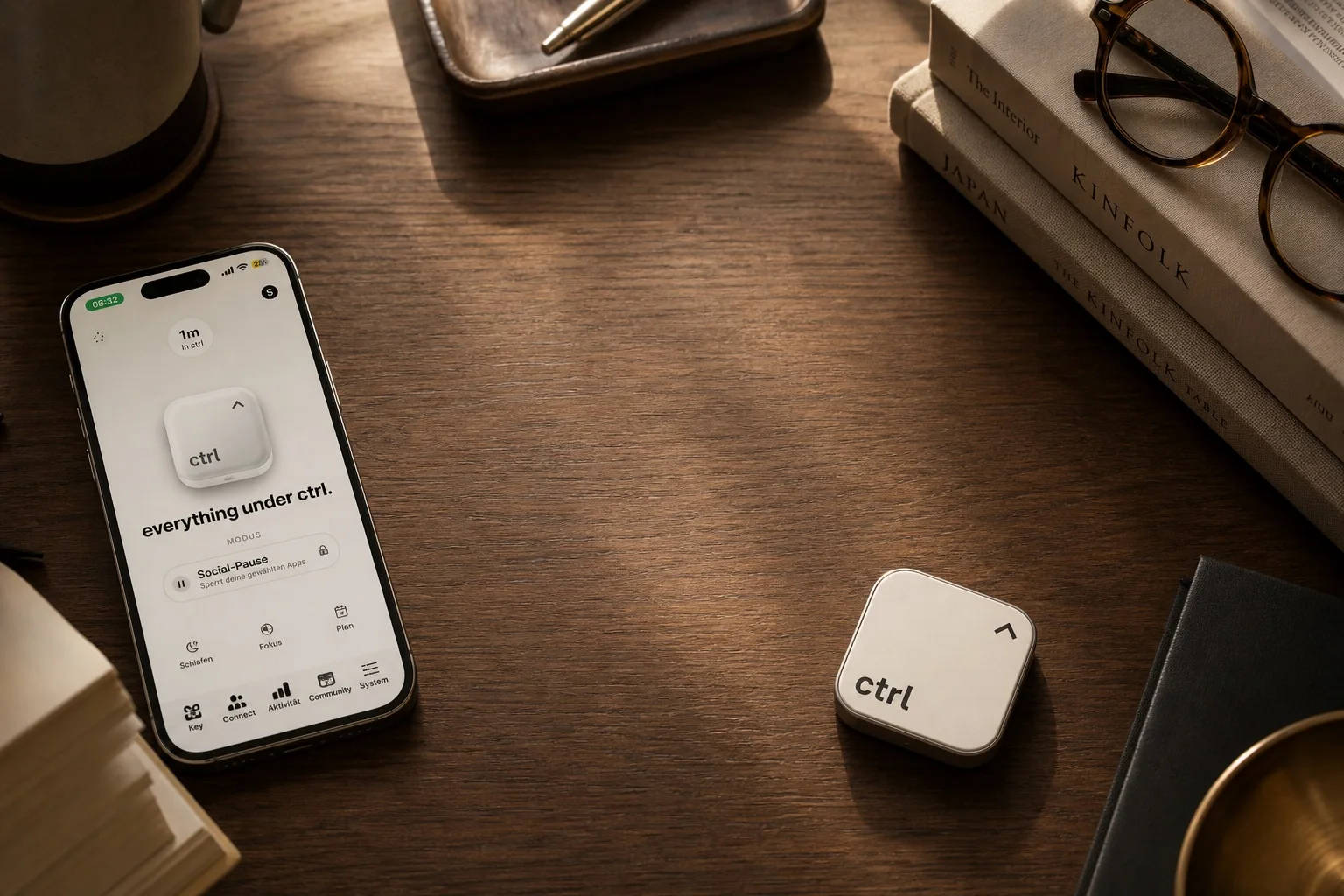
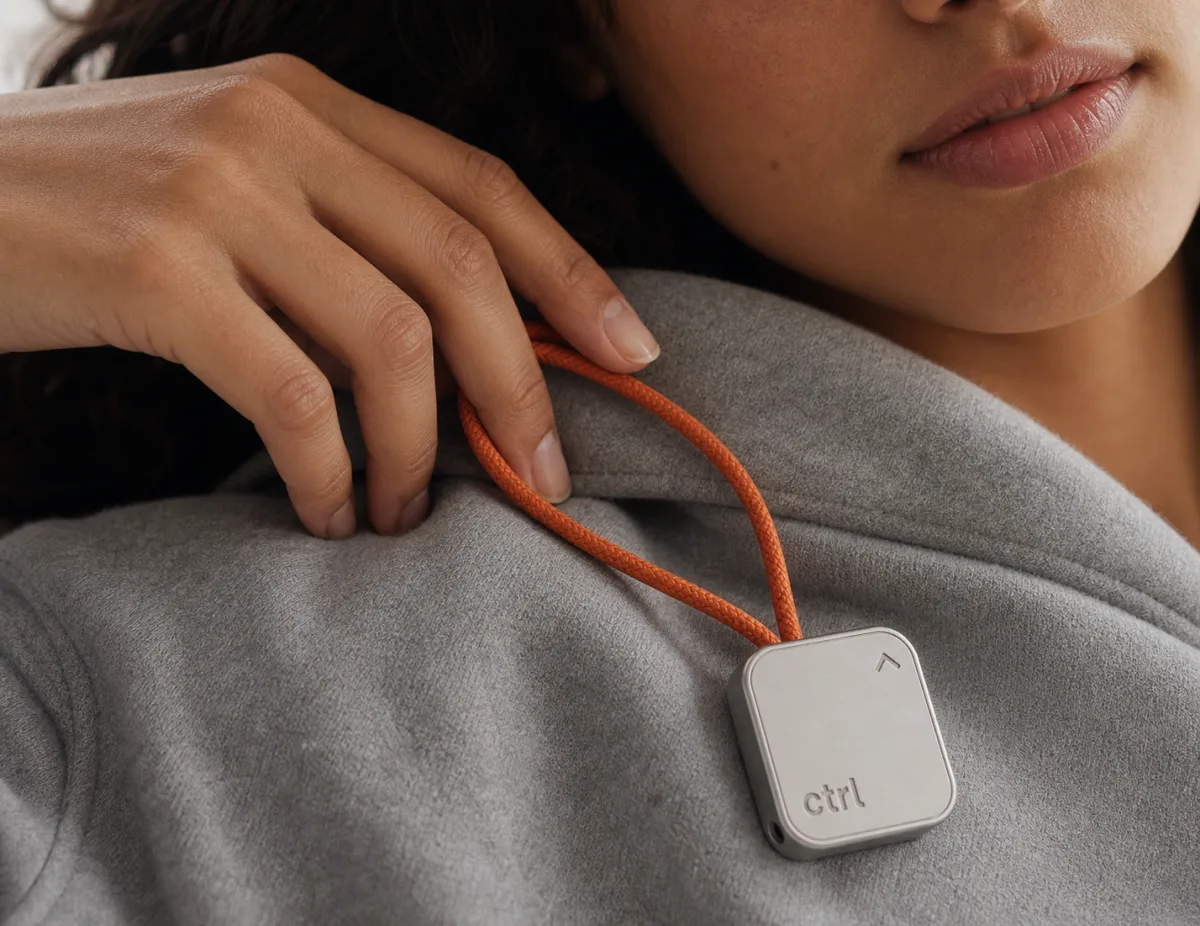
ctrl ist ein physischer Key für dein digitales Leben. Dahinter steht eine Idee. Die Entscheidung, präsent zu sein, sollte eine Sekunde dauern, nicht ständige Willenskraft kosten.
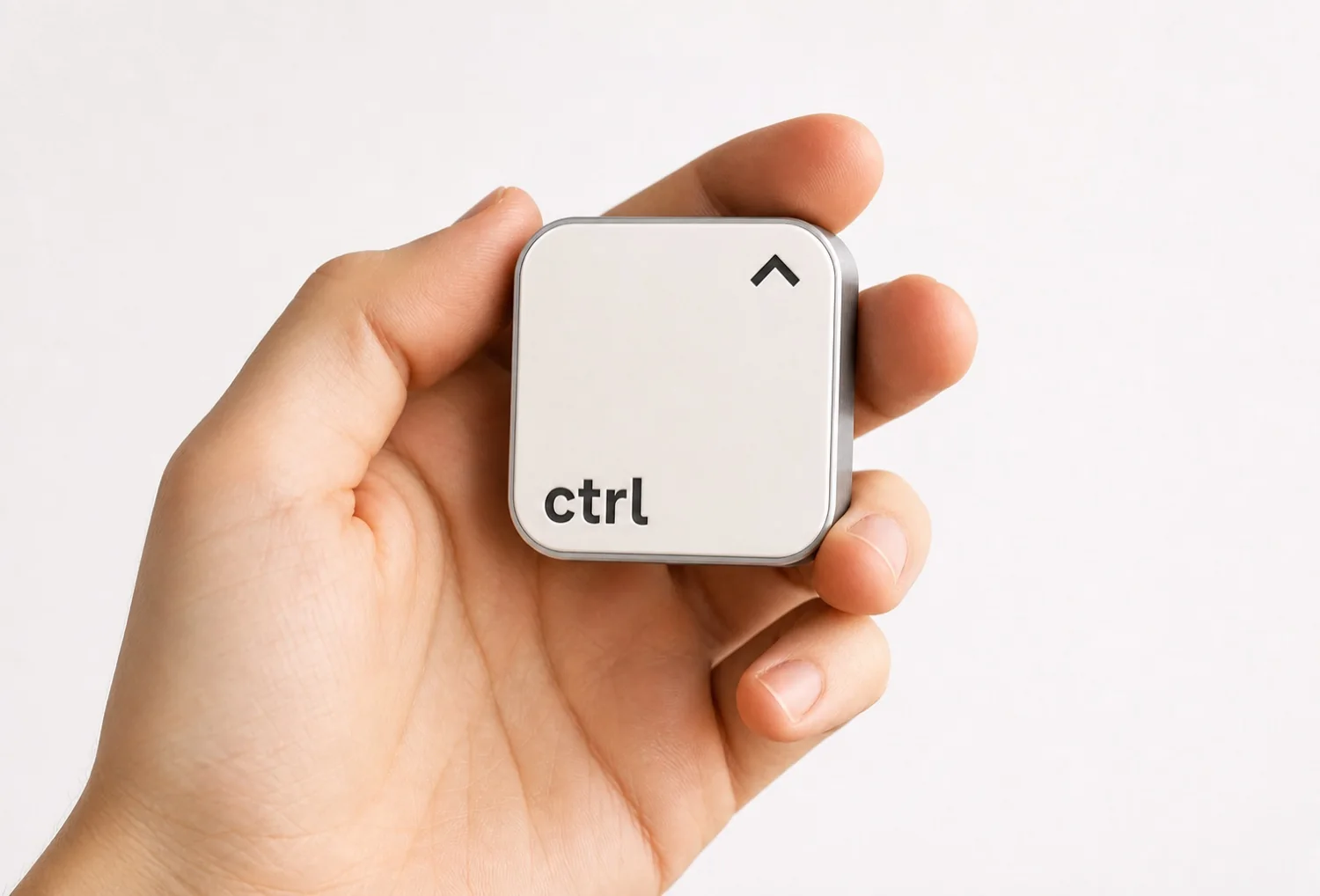
Entworfen in Deutschland von vier Gründern, die ihre Abende zurückwollten. Ein Key aus Aluminium und Keramik, eine kostenlose App und eine Philosophie, die den Menschen an die erste Stelle setzt. Dein Handy bleibt nützlich. Deine Aufmerksamkeit bleibt bei dir.
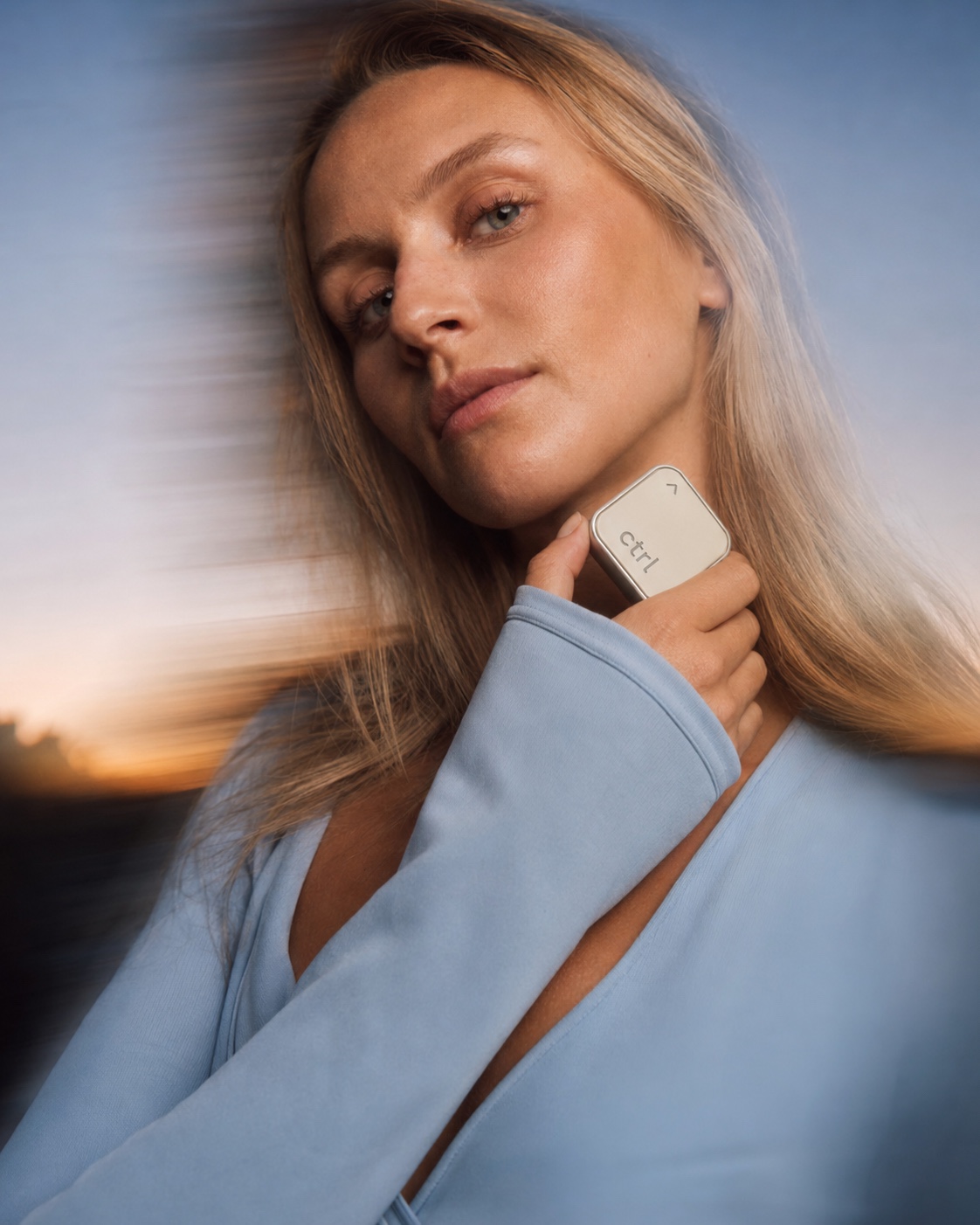
90,7 Prozent verbesserten sich in mindestens einem von drei gemessenen Bereichen, als das mobile Internet auf ihrem Smartphone zwei Wochen lang blockiert war1
Unsere Philosophie
ctrl ist aus einer einfachen Überzeugung entstanden. Ein gutes Leben mit Technologie bedeutet Balance, nicht Extreme. Wir erzählen dir nicht, dass dein Handy schlecht ist. Wir haben ctrl für die Momente gebaut, denen du dich ganz widmen willst, und wir bleiben ehrlich dabei, was ein kleiner Key kann und was nicht.
Ruhe
Stetig
Dein Life Score endete die Woche bei 72. Am meisten stieg er an den ruhigen Abenden.
 Fokus
Fokus
Präsent
26 Stunden in ctrl diese Woche. Dienstag war deine längste Strecke mit 5h 6m.
 Gemeinsam
Rhythmus
Zwölf Tage in Folge. Die Serie wuchs jeden Abend ein Stück.
Gemessen, nicht geraten
Geräteinteraktionen pro Tag im Median, gemessen in einer deutschen Stichprobe mit 1.797 Erwachsenen.2
App-Episoden pro Tag im Median in den Android-Logs. Viele kleine Sessions summieren sich.3
dauerte eine typische Session in den Android-Logs. Ablenkung kommt oft in kurzen Fragmenten.4
Was sich wirklich ändert
Keine Wunderversprechen. Das sind gemessene Ergebnisse aus veröffentlichten Studien, daneben das, was deutsche Daten über das Problem selbst sagen.
weniger vollzogene Öffnungen ausgewählter Ziel-Apps mit one sec
Nicht randomisierte one-sec-Feldstudie · 280 aktive Nutzende · sechs Wochen5
Verbesserung in mindestens einem von drei gemessenen Bereichen
randomisierte Studie, zwei Wochen ohne mobiles Internet1
der deutschen Jugendlichen sind morgens müde vom Handy in der Nacht
JIM-Studie 20256
der 18- bis 24-Jährigen sagen, die eigene Nutzung ist zu hoch
Deloitte Deutschland 20247
Deine Aufmerksamkeit ist nicht kaputt.
Eine große Meta-Analyse fand keinen Rückgang der Aufmerksamkeitsleistung.8 Deine Umgebung ist lauter geworden. Das lässt sich ändern.
Material
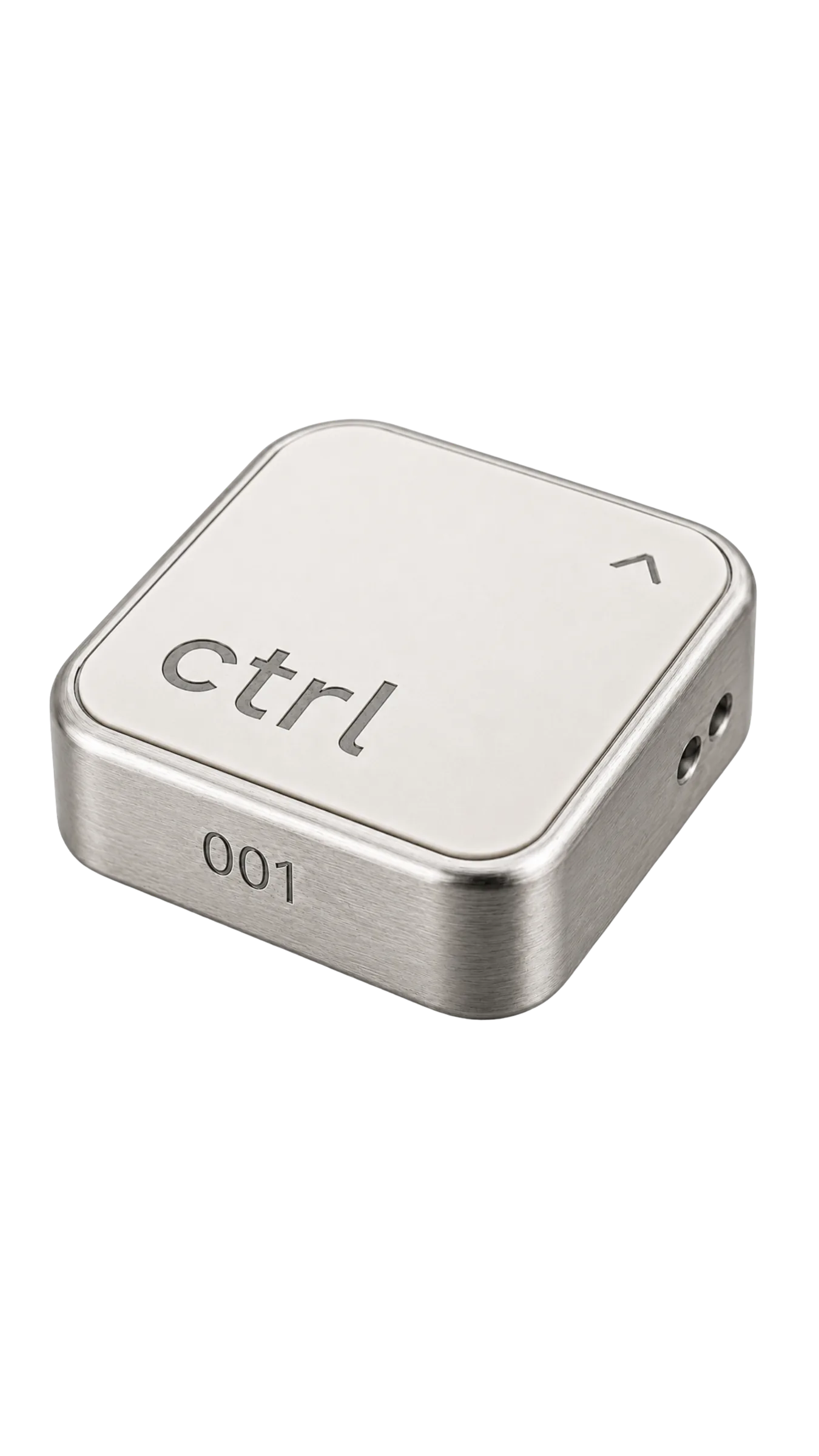
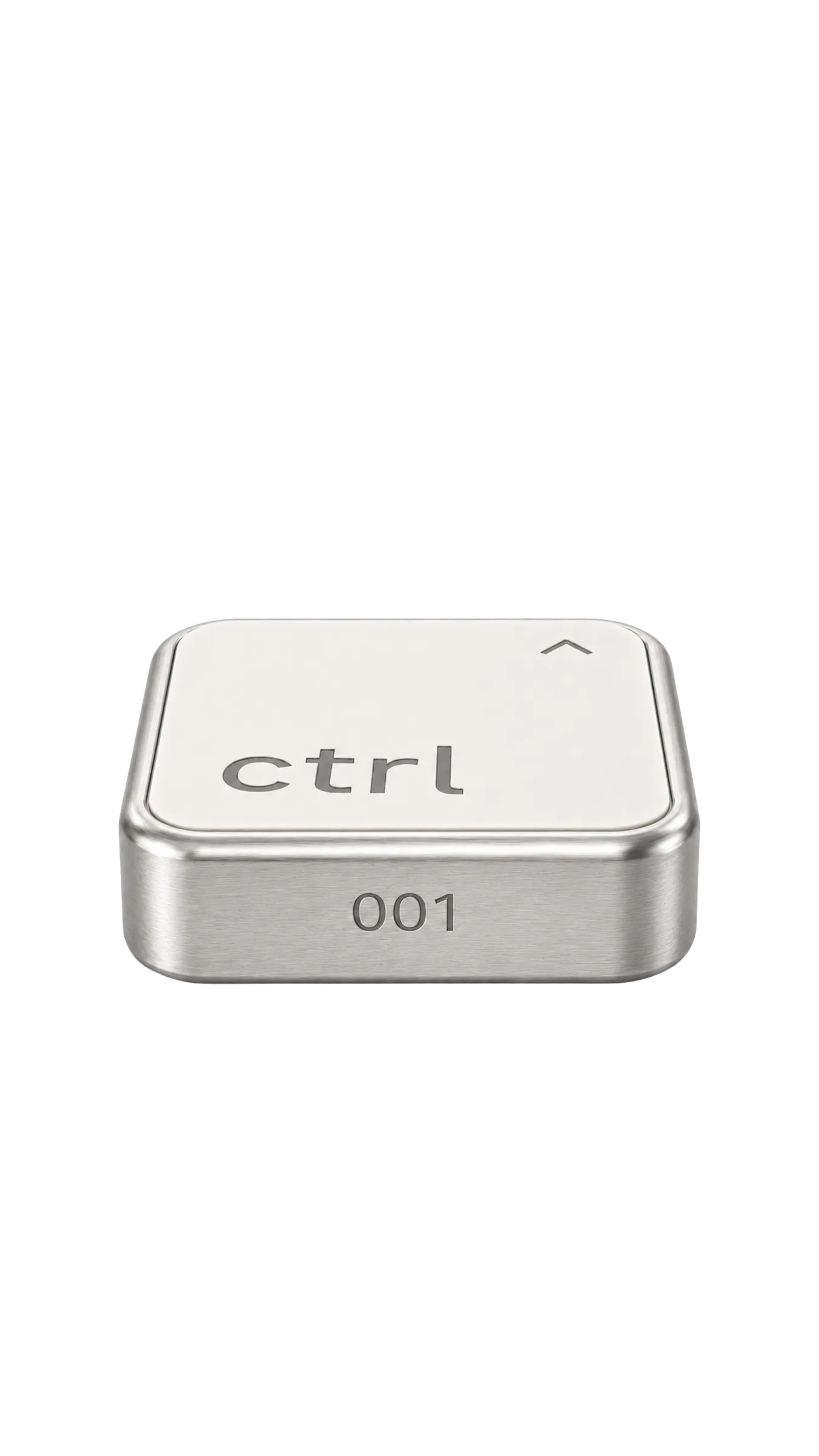
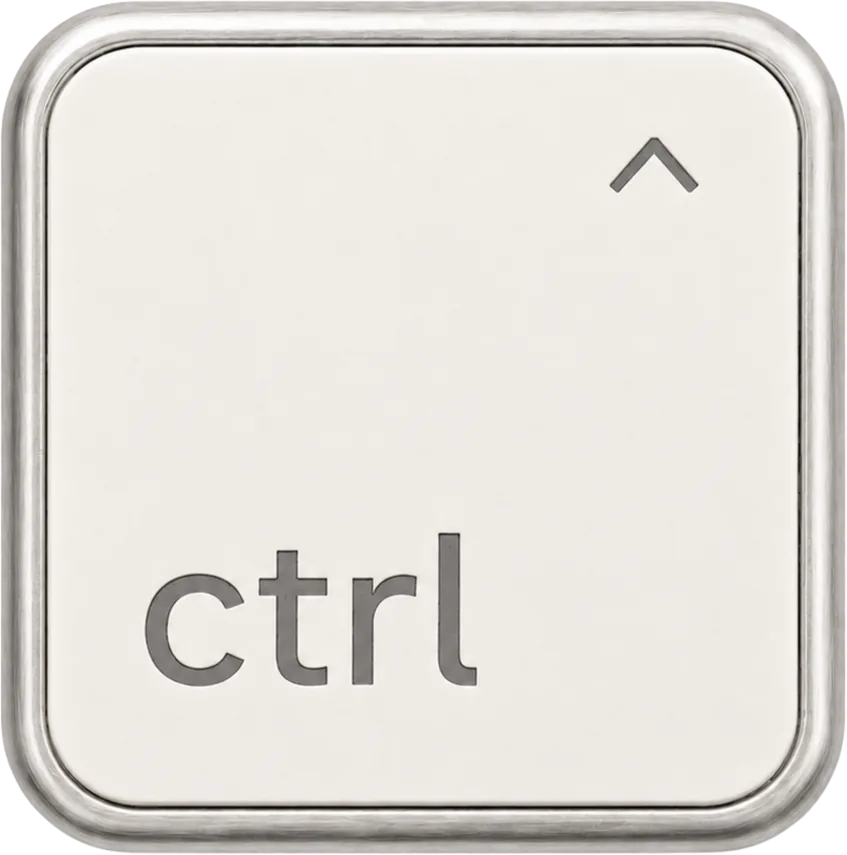
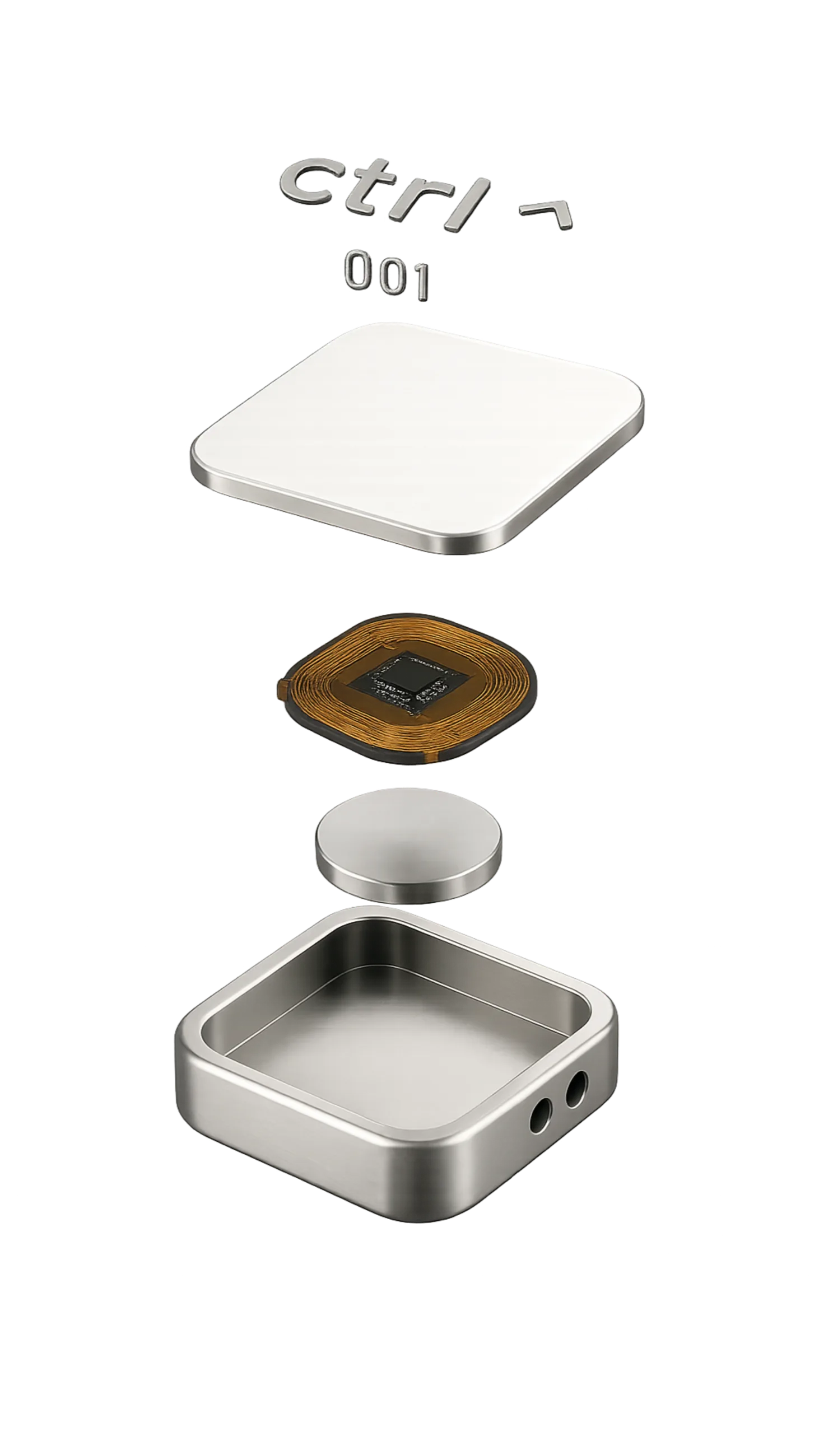
Der Key ist ein massives Stück präzisionsgefrästes Aluminium mit einer mattweißen Keramikfront. Es gibt keine Batterie und kein Aufladen, also nichts, was du am Leben halten musst. Er ist gemacht, um die Gewohnheit zu überdauern, die er ersetzt, und sich auch in Jahren noch richtig in deiner Hand anzufühlen.
Es summiert sich
ctrl nervt nicht. Die App zählt still die Zeit, die du dir zurückholst, und das Bild wird jede Woche besser.
Tag 5 von etwa 66 bis zur gefestigten Gewohnheit
Illustrative App-Ansichten, keine Messwerte.
Wo die Forschung korrelativ ist, sagen wir hängt zusammen, nicht verursacht. Wir runden Zahlen nie zu unseren Gunsten.
Sichere Zahlung · 30 Tage Geld zurück