
For something, not against something
A short, strict challenge can change behavior. The harder part is what happens after it ends. In a randomized smartphone-reduction trial, use moved back toward baseline once the active limit was over. Lasting change needs more than a temporary “no.” It needs a repeatable boundary and somewhere better for the time to go.
A challenge ends. Your day does not.
Pieh and colleagues randomly assigned 111 healthy Austrian students aged 18 to 29 either to use their smartphone for no more than two hours a day for three weeks or to continue as usual. The intervention group cut use by about 155 minutes a day and showed small-to-medium improvements in several mental-health outcomes.
But the screen-time difference persisted only through week six after baseline. From week seven onward there was no between-group difference. The study does not say the challenge was pointless. It shows that a successful intervention and a durable everyday system are two different achievements.
Friction creates a moment to choose
In a six-week, non-randomized field study with a self-selected cohort, completed openings of selected target apps fell by 57 percent among 280 one sec users who stayed active throughout. The intervention combined a ten-second delay, a reflection prompt and a visible option to cancel. The field study did not isolate which element caused the change, and one coauthor created one sec. It also did not test BACK TO CTRL.
The often repeated “66 days to form a habit” is not a universal deadline. In Lally and colleagues' study, 66 days was the median modeled time to reach 95 percent of an automaticity plateau; individual estimates ranged from 18 to 254 days. The useful point is variation: repetition matters, but different people and behaviors take different amounts of time.
What can carry instead
If all you want is to scroll less, the quiet moment can feel empty. A plan for the reclaimed time makes the boundary easier to understand: finish a chapter, call someone, train, cook, sleep. That is a brand and product principle, not a causal result borrowed from the studies above.
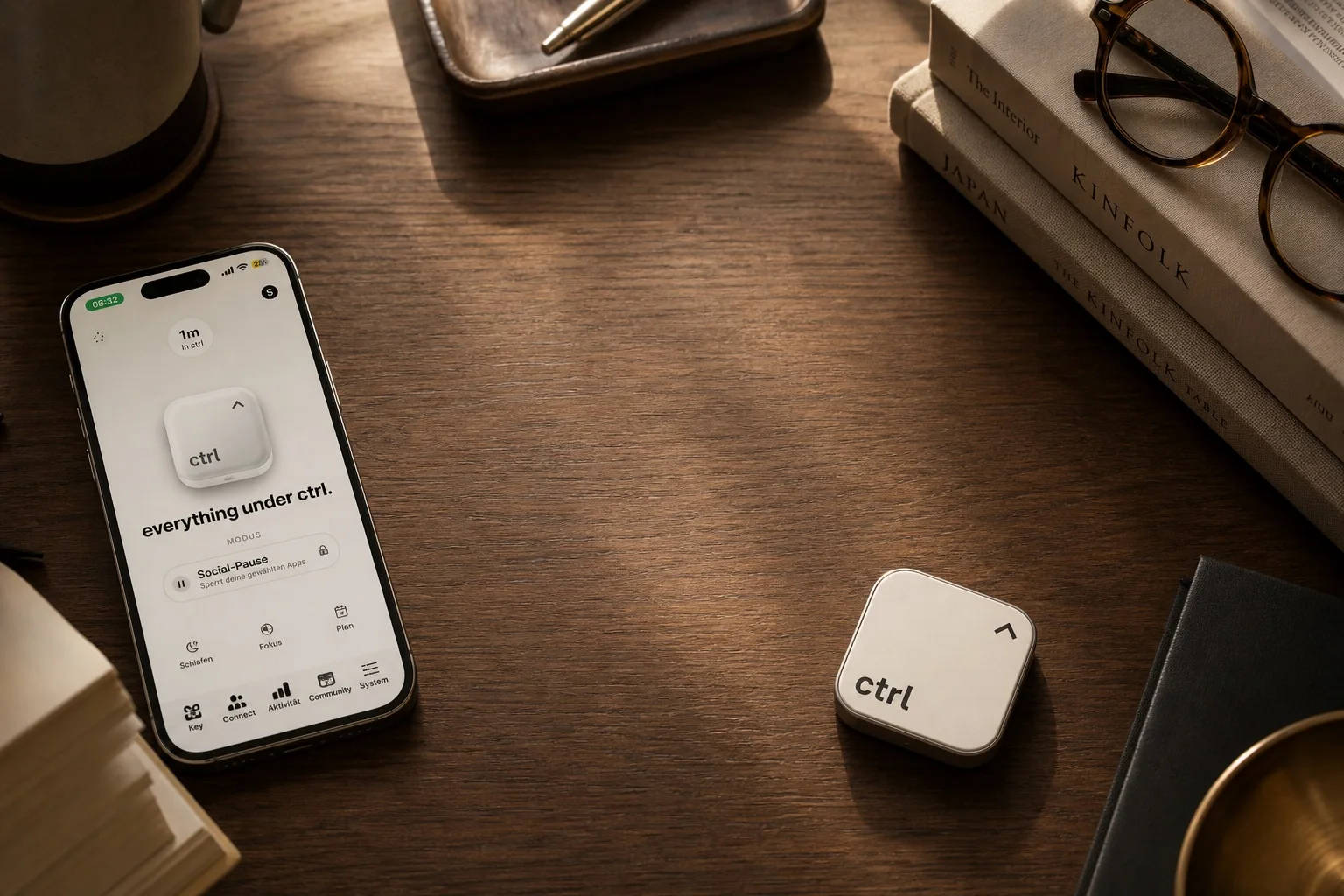
That is why ctrl does not only count what you did not do. Momentum makes repeated intentional days visible, and Connect lets friends choose quiet windows together. A restriction becomes a direction.
And then: out
The next step goes beyond the app. We are building a real offline community: shared events and running clubs are in the making, places where the reclaimed time can go. Many tools can close an app. We are also interested in what opens afterward.
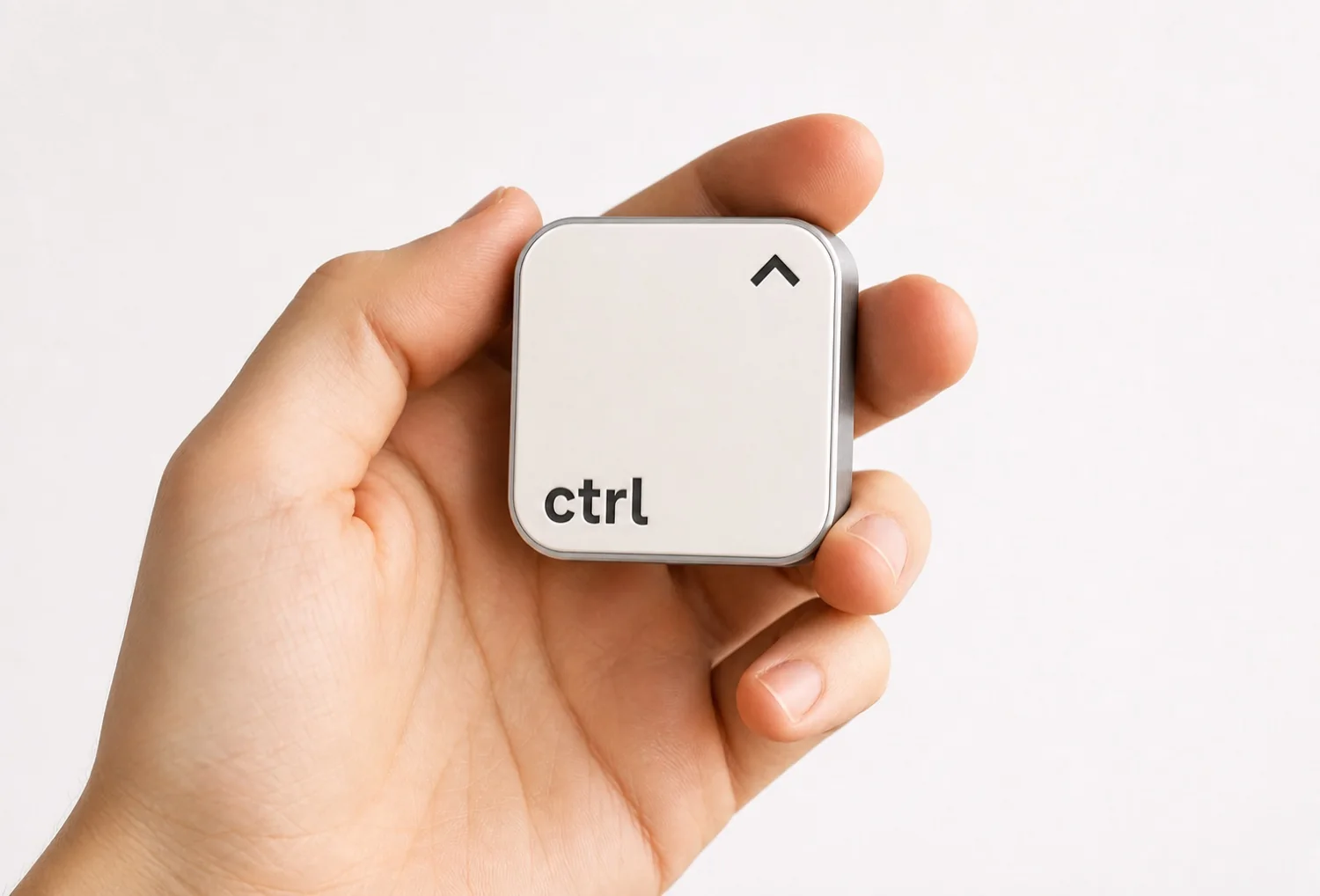
What already works today is on the Connect page, and the key is here.